Understanding Homeowners Insurance in Florida
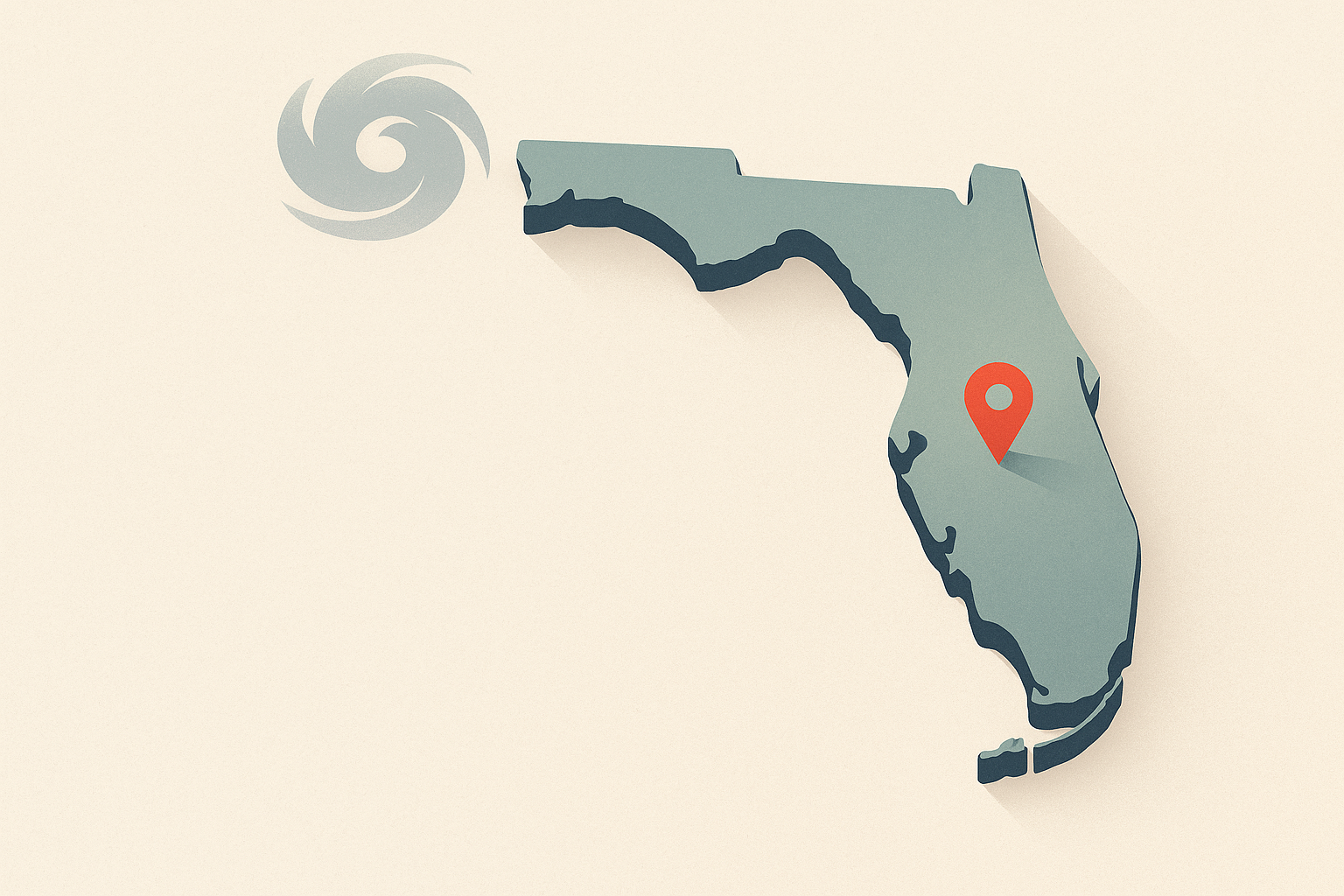
Florida homeowners face unique insurance challenges due to the state’s vulnerability to hurricanes, tropical storms, and flooding. Whether you’re buying your first home or reviewing your current coverage, understanding Florida homeowners insurance is essential to protecting your investment.
Why Florida Homeowners Insurance is Different
Florida’s coastal location and hurricane risk make homeowners insurance more complex—and often more expensive—than in other states. Here’s what sets Florida apart:
- Hurricane deductibles: Most policies include separate hurricane deductibles, typically 2-10% of your home’s insured value
- Wind and hail coverage: Often requires additional coverage or separate policies
- Flood insurance: Standard policies don’t cover flood damage—you’ll need separate flood insurance through NFIP or private carriers
- Citizens Property Insurance: Florida’s state-backed insurer of last resort for high-risk properties
What Does Florida Homeowners Insurance Cover?
A standard Florida homeowners policy (HO-3) typically includes:
Dwelling Coverage
Protects the physical structure of your home from covered perils like fire, lightning, windstorm, and theft. This is the foundation of your policy.
Personal Property Coverage
Covers your belongings—furniture, electronics, clothing—typically at 50-70% of your dwelling coverage limit.
Liability Protection
Protects you if someone is injured on your property or if you’re found responsible for property damage to others. Standard policies offer $100,000-$300,000 in liability coverage.
Additional Living Expenses (ALE)
Pays for temporary housing and living costs if your home becomes uninhabitable due to a covered loss.
Average Cost of Homeowners Insurance in Florida
Florida homeowners pay among the highest insurance premiums in the nation. The average annual cost ranges from $2,000 to $4,000, though coastal properties and those in high-risk zones can exceed $6,000-$10,000 annually.
Factors affecting your premium include:
- Location and proximity to coast
- Age and condition of your home
- Roof age and material
- Claims history
- Coverage limits and deductibles
- Home construction type
- Credit score
Hurricane Coverage: What You Need to Know
Hurricane coverage is the most critical—and confusing—aspect of Florida homeowners insurance:
Hurricane Deductibles
Unlike standard deductibles (flat dollar amounts like $1,000), hurricane deductibles are percentage-based. A 5% hurricane deductible on a $300,000 home means you pay the first $15,000 of hurricane damage.
Named Storm Deductibles
Some policies use “named storm” deductibles instead of “hurricane” deductibles, which can apply to tropical storms that haven’t reached hurricane status.
What Triggers the Hurricane Deductible
Your policy will specify how the hurricane deductible is triggered—usually when the National Hurricane Center declares a hurricane watch or warning in your area.
Flood Insurance: A Separate Requirement
Standard homeowners insurance in Florida does not cover flood damage. If you’re in a high-risk flood zone and have a mortgage, flood insurance is mandatory.
- NFIP policies: Federal flood insurance through the National Flood Insurance Program, with maximum coverage of $250,000 for dwelling and $100,000 for contents
- Private flood insurance: Often offers higher coverage limits and more flexibility than NFIP
- 30-day waiting period: Flood insurance typically has a 30-day waiting period before coverage begins
How to Save on Florida Homeowners Insurance
While Florida insurance is expensive, you can reduce costs:
- Strengthen your home: Hurricane shutters, impact-resistant windows, and roof upgrades can earn significant discounts (up to 40%)
- Increase your deductible: Raising your deductible from $1,000 to $2,500 can lower premiums by 15-25%
- Bundle policies: Combine home and auto insurance with the same carrier for multi-policy discounts
- Improve your credit: Better credit scores typically result in lower premiums
- Update your roof: Newer roofs (especially metal or tile) qualify for lower rates
- Shop around annually: Florida’s insurance market is volatile—comparing quotes yearly can save hundreds
- Ask about discounts: Gated community, alarm systems, newer homes, and claims-free history all qualify for discounts
Replacement Cost vs. Actual Cash Value
When purchasing Florida homeowners insurance, choose between:
- Replacement Cost Coverage: Pays to rebuild or replace damaged property at current prices without depreciation deduction—more expensive but provides better protection
- Actual Cash Value: Pays replacement cost minus depreciation—lower premiums but significantly less coverage when you file a claim
For most Florida homeowners, replacement cost coverage is worth the additional premium, especially given construction costs post-hurricane.
Citizens Property Insurance Corporation
Citizens is Florida’s state-run insurer of last resort. If you can’t find coverage in the private market, Citizens may be your option. However:
- Premiums are often comparable to or higher than private insurance
- Coverage limits may be more restrictive
- Citizens policies can be subject to assessments after major hurricanes
- The state actively tries to move policyholders to private carriers when available
What to Look for When Choosing a Policy
Don’t just compare premiums. Evaluate:
- Financial strength rating: Choose carriers rated A- or better by A.M. Best
- Claims reputation: Research how the insurer handles hurricane claims
- Coverage limits: Ensure dwelling coverage matches rebuilding costs, not market value
- Deductible structure: Understand both standard and hurricane deductible amounts
- Exclusions: Know what’s not covered (flood, mold, sinkhole damage often require separate policies)
- Endorsements available: Options like water backup, equipment breakdown, and ordinance or law coverage
Common Florida Homeowners Insurance Mistakes
Avoid these costly errors:
- Underinsuring your home: Many Floridians underestimate rebuilding costs, especially after hurricane-driven construction inflation
- Skipping flood insurance: “I’m not in a flood zone” isn’t protection—30% of flood claims come from moderate-to-low-risk areas
- Not documenting belongings: Without inventory and photos, personal property claims are difficult to substantiate
- Ignoring policy updates: Review coverage annually as home values and replacement costs change
- Filing small claims: Multiple claims can make you uninsurable in Florida’s tight market—pay out of pocket for minor repairs when possible
Getting the Right Coverage for Your Florida Home
Florida homeowners insurance is complex, but the right coverage protects your largest investment. Whether you’re in Miami, Tampa, Jacksonville, or Orlando, understanding your policy options ensures you’re prepared for hurricanes, storms, and other covered perils.
Take time to compare quotes from multiple carriers, understand your deductibles, secure necessary flood coverage, and review your policy annually. Working with an experienced Florida insurance agent can help you navigate the state’s unique insurance landscape and find the coverage that fits your needs and budget.
Ready to protect your Florida home? Contact Orca Insurance Group today for a personalized homeowners insurance quote. Our Florida-based agents understand the local market and can help you find comprehensive coverage at competitive rates.