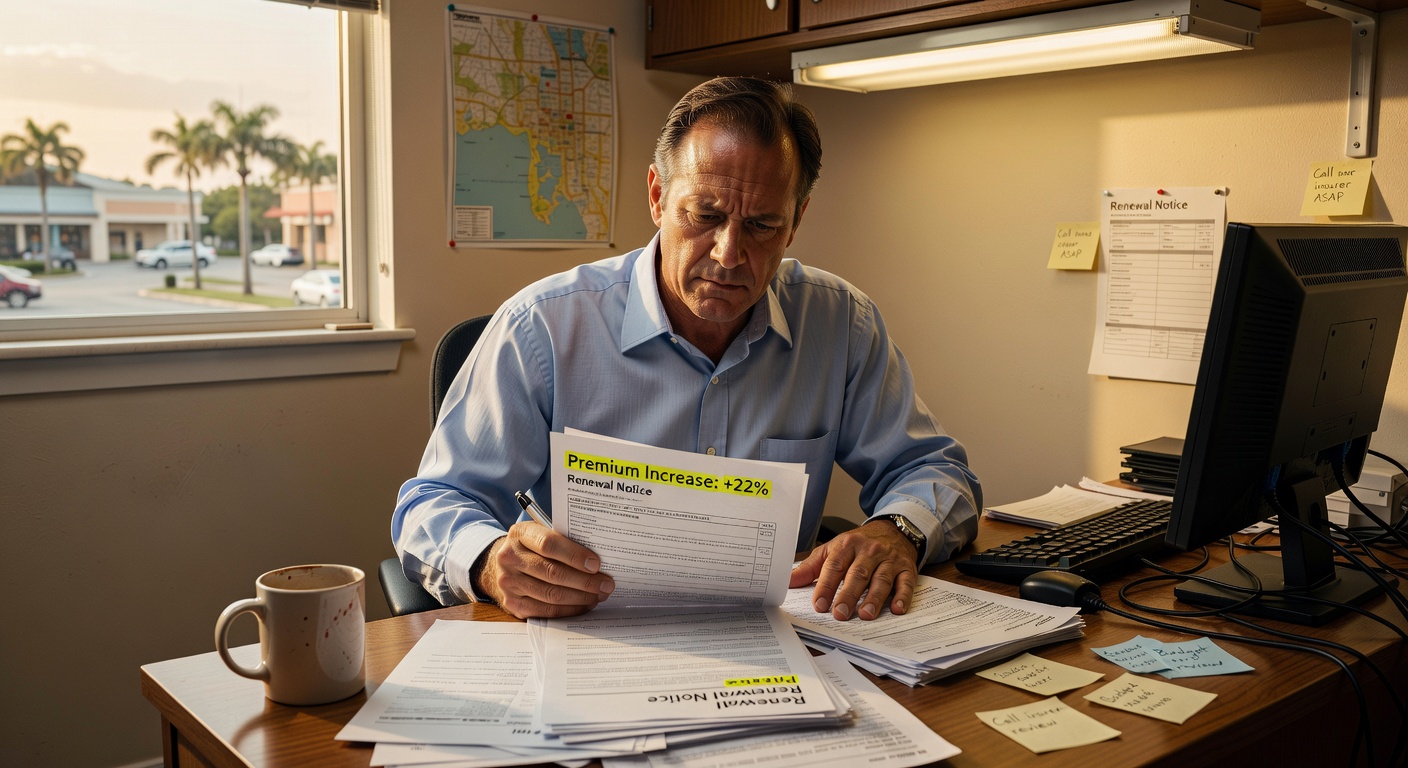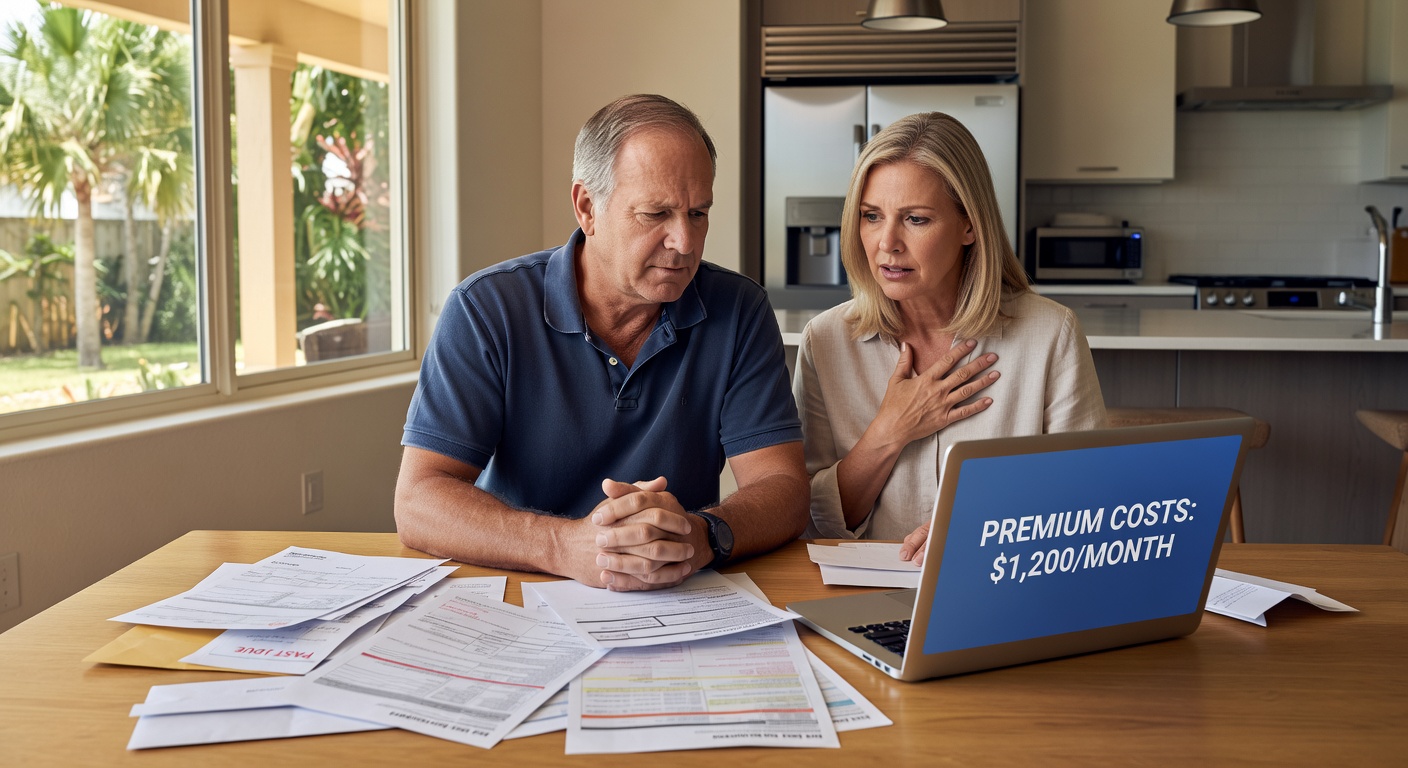

You open the renewal envelope and do a double-take. Your commercial insurance premium jumped — again — and this time nobody warned you it was coming. If you’re a Florida business owner and that scenario sounds familiar, you’re not alone. Across Central Florida, from construction contractors in Kissimmee to restaurant operators on International Drive, owners are absorbing rate hikes that feel disconnected from their own loss history. The hard truth is that the forces driving commercial insurance costs in 2026 are real, measurable, and — for Florida businesses in particular — compounded by state-specific risk factors that aren’t going away anytime soon.
Understanding what’s actually happening — and what you can do about it — is the difference between absorbing those increases passively and taking control of your risk program. Let’s break it down.
The Numbers: How Much Are Rates Really Going Up?
The 2026 commercial insurance market is firming across virtually every line of business. While “firming” is the industry’s polite word for it, here’s what the data actually shows:
Overall, property and casualty premiums are rising 3–4% across the board in 2026 — but commercial auto and group health are the line items hitting Florida small businesses hardest. Construction-sector businesses are facing some of the steepest increases of any industry.
Why Everything Costs More: The Forces Behind the Surge
1. Tariffs Are Hitting Auto and Construction Hardest
The 25% tariffs on imported auto parts and materials from China that took effect in 2025 are now working their way through the full insurance cost chain. Motor vehicle repair costs rose 9.7% — meaning every fender bender costs substantially more to fix than it did two years ago. For businesses with vehicle fleets, this translates directly into commercial auto premium increases at renewal.
Construction businesses are doubly hit. Construction inputs — lumber, steel, electrical components — rose 4.4% in 2025, and that cost pressure flows through to both commercial property valuations and the cost of rebuilding after a loss. Insurers update replacement cost values at renewal; if construction costs have risen, your insured value — and your premium — goes up with them.
2. Social Inflation Is Making Every Claim More Expensive
“Social inflation” describes the pattern where litigation costs and jury award sizes grow faster than general inflation. Florida has long been one of the most litigious states in the country, and 2025 continued that trend. Nationally, claim settlements are running 20–30% higher than historical averages — at the same claim frequency. Insurers aren’t paying out more claims; they’re paying more per claim. That math forces premium adjustments across general liability and professional liability lines.
3. Natural Disasters and Reinsurance Costs
Hurricane frequency and severity have fundamentally shifted the economics of insuring property in Florida. When global reinsurers — the companies that insure insurance companies — raise their rates after catastrophe seasons, those costs trickle down to every business policy in the state. Even businesses 100 miles from the coast feel it, because reinsurers price Florida as a statewide risk. If you own a commercial property in Central Florida, you’re paying for Florida’s hurricane exposure whether a storm ever comes near you or not.
4. GLP-1 Drugs Are Transforming Group Health Costs
If you offer group health insurance to your employees, GLP-1 medications (Ozempic, Wegovy, and similar weight-loss and diabetes drugs) are a significant factor in your 11–12% median premium increase. These drugs work — but they cost $800–$1,400 per member per month when not discounted, and utilization has surged. Health plan carriers are adjusting premiums across the small group market to absorb this cost shift.
5. Cyber Risk and Rising Crime
Cybercrime continues to grow in both frequency and sophistication, and retail theft has risen sharply in recent years — both factors that affect cyber liability and inland marine coverage. Small businesses are often specifically targeted because they tend to have weaker IT security than larger enterprises. If you haven’t yet added cyber coverage to your portfolio, the cost of doing so now is far lower than the cost of a breach response without it.
5 Ways Florida Business Owners Can Fight Back
1. Bundle Coverage with a Business Owner’s Policy (BOP)
A Business Owner’s Policy combines general liability and commercial property into a single package, typically at a lower combined cost than purchasing them separately. BOPs are designed for small to mid-size businesses and can often be enhanced with endorsements for data breach, equipment breakdown, or business interruption. If you’re currently buying these coverages separately, bundling is one of the quickest ways to trim your overall insurance spend without sacrificing protection.
2. Strategically Raise Deductibles
Higher deductibles mean lower premiums — but only make sense if you have the cash reserves to absorb a moderate claim out-of-pocket. Review your loss history: if you haven’t filed a claim in three or more years, increasing your deductible by $500–$2,000 on property coverage may yield meaningful premium savings. Work with your broker to model the tradeoff before making changes.
3. Invest in Risk Mitigation — It Pays Off at Renewal
Insurers reward businesses that demonstrate active risk management. Installing security cameras, implementing fleet safety programs, upgrading to impact-resistant roofing, or adding fire suppression systems can all result in credits at renewal. For commercial auto, telematics programs that monitor driver behavior can produce 5–15% discounts with some carriers. Document every improvement you make — your broker can present them to underwriters as part of your renewal submission.
4. Work with an Independent Broker Who Shops the Market
Captive agents represent one carrier. Independent brokers represent dozens — which means they can shop your renewal across multiple markets and find the carrier whose appetite best matches your risk profile. In a hard market, the difference between the highest and lowest competitive quotes for the same coverage can be 20–40%. An independent broker who specializes in commercial insurance has leverage and relationships that a single-carrier agent simply doesn’t.
5. Document Your Loss History and Claim Context
Underwriters look at your loss runs — typically the past three to five years of claims. If you’ve had claims, context matters. A slip-and-fall that was contested and settled for less than expected tells a different story than a clean loss run with no explanation. Work with your broker to prepare a narrative that accompanies your renewal submission, especially if your loss history has any blemishes. A well-prepared submission can meaningfully influence the quote you receive.
Florida-Specific Considerations
Florida business owners face a risk environment that is meaningfully different from the rest of the country. Here’s what makes it distinct — and what you need to plan for:
🌀 Hurricane Season Exposure
Florida sees more named storms than any other state. Commercial property policies in Florida often carry separate wind/hurricane deductibles — sometimes 2–5% of insured value — that can dwarf your standard deductible. Make sure you know what your hurricane deductible is before storm season, not after.
⚖️ High-Litigation Environment
Florida consistently ranks among the top five most litigious states. Assignment of Benefits (AOB) abuse and inflated attorney fee awards have driven commercial general liability and property claims costs higher than national averages. Higher liability limits may make sense for Florida businesses even if your revenue is modest.
🚗 No-Fault Auto System
Florida’s no-fault auto insurance system requires Personal Injury Protection (PIP) coverage on all registered vehicles — including business vehicles. Commercial auto policies in Florida must navigate both the no-fault framework and higher bodily injury litigation risk, contributing to above-average commercial auto rates in the state.
👷 Construction & Hospitality Workers’ Comp
Construction and hospitality are two of Central Florida’s largest employer sectors — and both carry above-average workers’ comp risk. Florida’s construction workers’ comp rules are strict: misclassification of employees as subcontractors can result in audit-generated premium charges and potential penalties. Get a classification review before your next audit.
Ready to Stop Overpaying for Business Insurance?
Orca Insurance Group is an independent agency serving Orlando and Central Florida businesses. We shop dozens of carriers to find coverage that fits your operation — and your budget. No pressure, no captive carrier limitations. Just straight answers.
Serving Orlando, Kissimmee, Sanford, Altamonte Springs, and all of Central Florida.
Frequently Asked Questions